Are you watching the market and wondering if this spring is your window to buy in Spring, Texas? You are not alone. North Houston dynamics are shifting, and that has real implications for your offer strength, budget, and timeline. In this guide, you will learn how inventory, new construction, and mortgage rates affect your strategy, plus the local factors that matter most in Spring. Let’s dive in.
What is changing in North Houston
Inventory is easing toward balance
Over the last two years, higher mortgage rates cooled the red-hot conditions of 2020 and 2021. By mid-2024, many Sun Belt markets, including North Houston, showed more active listings and a more balanced feel than peak seller stages. In Spring, you typically see more homes hit the market in spring and early summer, with slower listing activity in late fall and winter.
For you, that means two things. First, expect more choices during spring, which can help you find a better fit. Second, competition can still be intense in certain price bands or popular micro-areas, so you should be ready to move decisively when the right home appears.
New construction adds choices and leverage
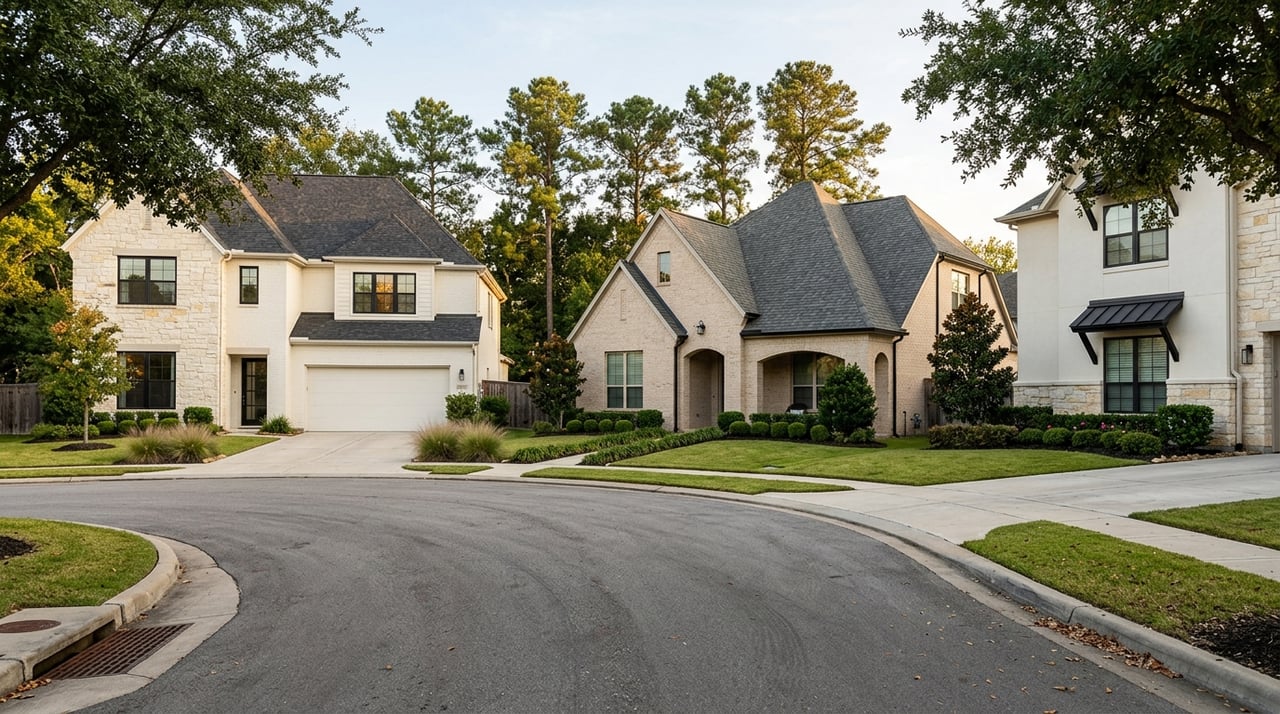
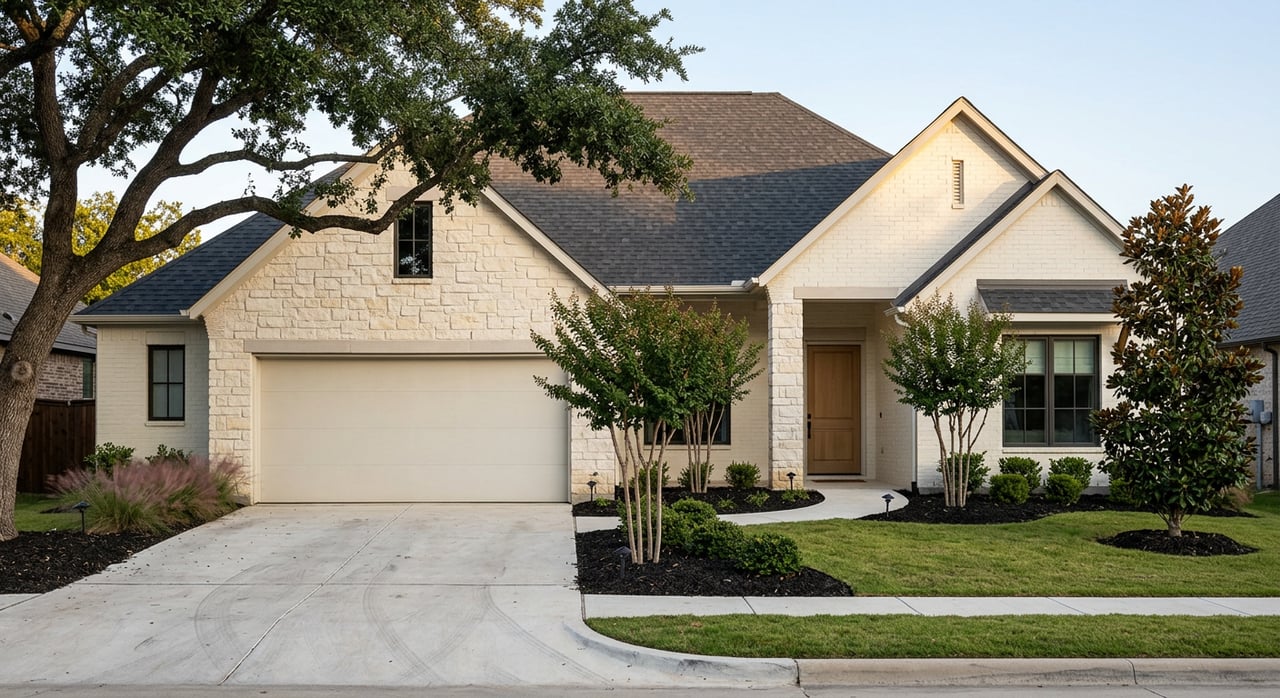
North Houston, including the Spring area, has a steady pipeline of master-planned communities and subdivisions. Builders are active across entry-level and move-up tiers. When resale inventory rises or demand softens, builders often respond with incentives like rate buydowns, closing cost credits, or design upgrades.
New construction offers standardized features and builder warranties, although timelines can run longer due to lot availability and labor capacity. If you can wait for completion, new-build options can expand your choices. If you need a fast move, resale or a builder spec home may be a better fit.
Mortgage rates still drive affordability
Rates rose sharply in 2022, then moderated somewhat in 2023 and into 2024, yet remain well above pandemic lows. Small rate moves can change your purchase power quickly. Many lenders and builders use temporary buydowns to help bridge affordability for the first years of the loan. You should model payments at multiple rates and weigh temporary buydowns against paying points for a permanent reduction.
Spring local factors to weigh
Flood zones and insurance
Spring sits among multiple creeks and tributaries, so site-specific flood risk deserves attention. Flood zone status can affect mortgage requirements and insurance premiums. Private flood insurance options have also expanded in recent years, giving you more ways to compare coverage.
To reduce surprises, order a property-specific flood determination early. Review any available elevation certificate and ask the seller about prior flood claims. Track local mitigation projects that may change long-term risk. Build the potential premium into your monthly budget so your affordability picture is accurate.
School boundaries and demand
Homes in the Spring area can fall into multiple districts, commonly Spring ISD, Klein ISD, and areas near Conroe ISD. Boundaries can shift over time, so verify the exact attendance zone for any address. School assignment can influence buyer activity and resale considerations, which is why clear confirmation is important for your long-term plan.
Commute corridors and access
I-45, SH-249, FM-1960, and the Grand Parkway serve the Spring market. Access to a major corridor can lower commute time, but there may be tradeoffs with traffic and noise. Test your route at typical peak times and watch for ongoing road projects that might improve or affect future travel.
Taxes, MUDs, and HOA costs
Texas relies on property taxes, so your annual bill is based on appraised value and local tax rates. Many newer neighborhoods have HOAs and may include a municipal utility district, known as a MUD, which can change the total tax rate. When you model affordability, include the full tax rate, HOA dues, MUD line items, and flood insurance if applicable. Homestead and other exemptions can reduce taxable value for owner-occupants.
Builder incentives in Spring
Large national and local builders are active in and around Spring. Incentives are common when demand softens, while stronger pockets may see fewer concessions. If you pursue new construction, request any incentive schedule in writing and compare the total cost, not just the headline discount. Consider how rate structure, lock timing, and closing coordination fit your budget and move date.
How to shape your offer
When to go strong
In amenity-rich communities or popular school zones, supply can still feel tight. In those pockets, a strong preapproval, focused contingencies, and clear timelines can set you apart. If a home is priced correctly and draws early traffic, be prepared to act fast.
When to negotiate
When inventory rises or rates soften demand, you can often negotiate. Consider asking for seller credits, repair allowances, or a contribution toward a rate buydown. Use data from nearby comparable sales to keep your offer aligned with current conditions.
Offer checklist for Spring buyers
- Bring a full-document lender preapproval letter.
- Set a clear earnest money amount and release timeline.
- Define appraisal and inspection windows. Short, realistic timelines can help your offer stand out.
- Use seller concessions strategically, such as credits for closing costs or a temporary rate buydown, if allowed by your loan.
- For new construction, get completion dates, incentive details, and change-order pricing in writing.
Timeline planning: resale vs new build
Resale purchases usually take about 30 to 45 days from contract to close, depending on your financing, inspections, and any repairs or credits. This timeline keeps your rate lock simpler and fits buyers who need a faster move.
New construction requires a longer runway. Four to nine months is common, and more time may be needed if lot delivery or permitting runs long. Builder spec homes can shorten the timeline but might carry a premium. With longer builds, plan your lock strategy early and ask about float-down options or buydowns so you are not caught off guard if rates move.
Smart search strategy in Spring
- Expand your search area by a few ZIPs or adjacent school zones to find better value or more inventory.
- Compare resale and new construction on three axes: total price net of incentives, timeline, and long-term maintenance or warranties.
- Use filters tailored to Spring: year built, finished-floor elevation, foundation type, lot drainage, HOA dues, MUD tax line, and proximity to major roadways.
- Track local data regularly. Review market updates, tax history, and flood mapping tools during your active search so your decisions reflect current information.
Affordability playbook in a rate market
- Model payments at two or more rate scenarios to see your sensitivity to changes.
- Weigh a temporary buydown versus paying points for a permanent rate reduction. Run the break-even math so you know how long it takes for points to pay off.
- Increase down payment if possible to reduce the loan amount or avoid mortgage insurance when applicable.
- Consider negotiating a lower price paired with seller credits that reduce your upfront cash.
- Explore adjustable-rate options only if you have a clear plan to refinance or sell within a defined horizon.
Is now a good time to buy in Spring?
It depends on your priorities. If you need keys in hand soon, focus on resale or move-in-ready spec homes. If you can wait and want modern features and warranties, the new-build pipeline offers attractive choices, especially when incentives are available. Where inventory is rising, you may have room to negotiate. In sought-after areas, expect competition and plan a strong offer.
Quick buyer checklist
- Decide on timing: immediate move or flexible build.
- Run payment scenarios at multiple rates, including taxes, HOA, MUD, and flood insurance.
- Get full-document preapproval, not just a prequalification.
- For new builds, secure written timelines, incentive details, and change-order pricing.
- For resale, order a flood determination and review disclosures early.
- Plan rate-lock timing that matches your closing timeline.
- Expand your radius and verify school boundaries to increase options.
- Monitor local data weekly during your search.
Work with a local guide
Buying in Spring is about matching your goals with real market dynamics. You deserve a team that knows the neighborhoods, tracks builder incentives, and understands how to structure offers that win without overpaying. If you want clear strategy, nimble execution, and local insight, connect with The Antinozzi Group. We will tailor your search, timeline, and negotiation plan to the way North Houston is moving right now.
Ready to get started? Reach out to The Antinozzi Group today.
FAQs
What do North Houston inventory shifts mean for Spring buyers?
- More spring listings usually mean more choice, but competition still appears in popular price ranges and specific communities, so prepare a strong preapproval and a clear offer plan.
How should I compare new builds to resale in Spring?
- Compare total cost after incentives, expected timeline, and long-term maintenance or warranty coverage, then choose the path that fits your move date and budget.
How do I evaluate flood risk for a Spring property?
- Order a site-specific flood determination, review any elevation certificate, ask about prior claims, and include the expected flood premium in your monthly budget.
What offer terms help in competitive Spring neighborhoods?
- A full preapproval, clear earnest money, shorter yet realistic inspection windows, and targeted seller concessions can improve your position without inflating price.
How long will my purchase take in Spring, TX?
- Resale purchases often close in 30 to 45 days, while new construction can take 4 to 9 months or more depending on lot and build stage.
How do mortgage-rate changes affect my budget in Spring?
- Even small rate moves can shift your payment, so model at least two rate scenarios and consider buydowns or points based on your time horizon and break-even math.