Are you seeing some Woodlands homes sell in a weekend while others sit? If you are planning a move-up purchase or considering a sale, that split can feel confusing. In this guide, you will learn what is shaping supply, demand, and days on market right now in The Woodlands, how micro-neighborhoods influence pricing, and what to watch as we head into the next quarter. Let’s dive in.
Quick market takeaway
Most price bands in The Woodlands remain relatively tight on supply compared with many Houston suburbs, especially for move-up single-family homes. Demand varies by neighborhood and price, with more variability at the luxury level and steadier interest near key amenities and schools.
Market snapshot: supply, demand, and DOM
The clearest reading on supply is Months of Inventory. The Woodlands typically runs leaner in select bands due to its master-planned amenities and location. You will likely see tighter supply near popular amenities and within certain school zones, and more balance in higher price tiers.
Buyer demand is uneven by price band. Entry and mid-tier single-family homes tend to draw steady interest, especially when close to amenity centers. Luxury activity can be more seasonal and sensitive to broader economic factors, which often means longer marketing times.
Days on market varies by neighborhood and price. Well-priced homes in the most sought-after areas often sell faster than the overall median for The Woodlands. Track the 30, 60, and 90-day distribution to understand whether your segment is moving quickly or taking longer.
Sale-to-list price tells you about negotiation power. Ratios near 98 to 100 percent suggest competitive conditions. Lower ratios indicate buyers may have more leverage. Confirm the latest figures using recent MLS and local market reports.
What’s driving demand now
Macro drivers
- Mortgage rates and lending conditions. Rate levels and volatility directly influence affordability and urgency. Watch the spread between conforming and jumbo loans if you are in a higher price bracket.
- Employment and Houston-area growth. Regional hiring in energy, healthcare, tech and engineering, and corporate relocations supports local demand. Major corporate moves can shift activity quickly.
- Investor and cash buyers. A higher share of cash purchases can shorten days on market for standout listings and affect negotiation strategies.
Local drivers
- Master-planned amenities. Proximity to parks, trails, lakes, Market Street, Hughes Landing, medical facilities, and daily convenience is a durable demand driver. Being closer to these hubs often supports pricing and faster sales.
- School attendance zones. Much of The Woodlands is served by Conroe ISD. Many buyers prioritize specific feeder patterns, which can influence competition and pricing in nearby streets and sections.
- Micro-neighborhood character. Waterfront pockets, golf-course areas, and gated enclaves can command premiums. Mature landscaping and unique features often help well-presented homes sell faster.
- New construction pipeline. Active new-home communities in Montgomery County add choices for buyers. Builder incentives and available spec homes can affect how resale homes compete in similar price bands.
- Flood risk and insurance environment. Floodplain status, mitigation projects, and insurance costs are part of many buyers’ comparisons. Clear documentation and elevation details can help listings stand out.
- HOA considerations and home age. Fees, rules, and maintenance expectations differ by neighborhood. Older homes may need system updates or cosmetic refreshes to meet buyer expectations in each price tier.
Micro-neighborhood dynamics
Amenity-adjacent living
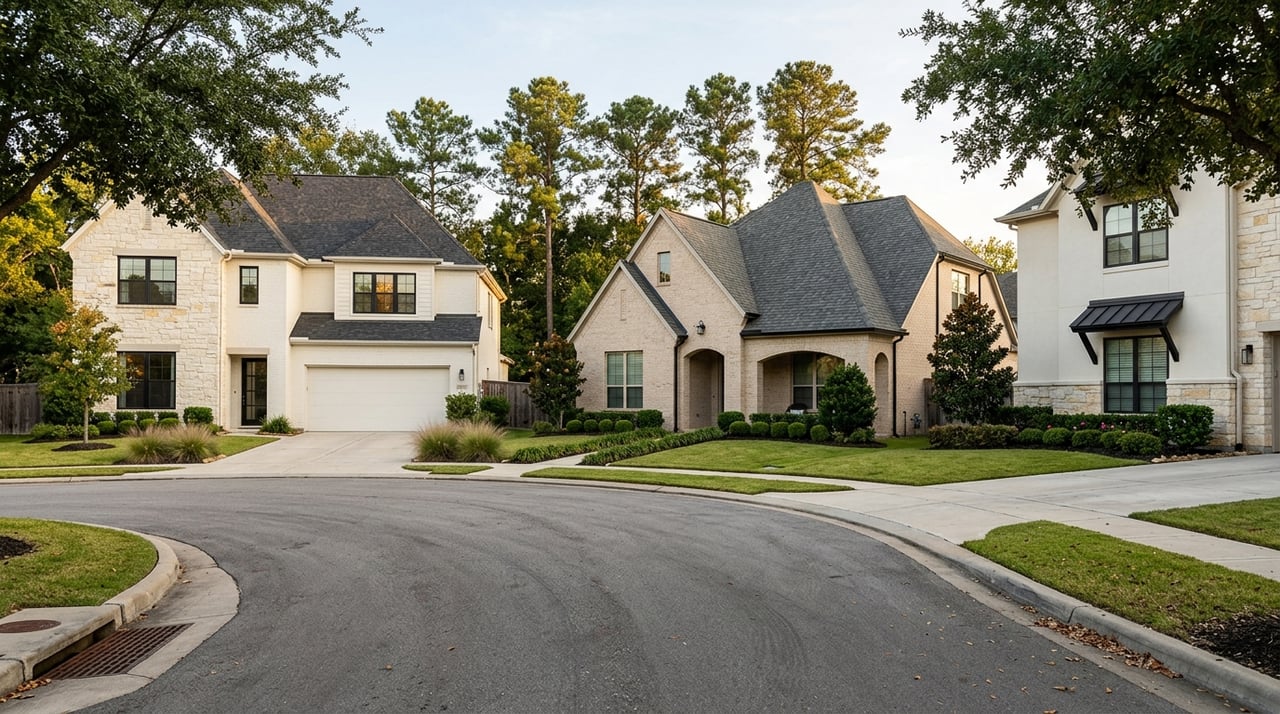
Areas near Market Street, Hughes Landing, and East Shore attract buyers who value walkability and lakeside access. Listings here often see steady showing activity and can sell quickly when well priced and well presented.
Established family cores
Neighborhoods such as Alden Bridge, Cochran’s Crossing, and Panther Creek tend to be popular among move-up buyers. Thin inventory in these pockets can lead to short days on market for updated, appropriately priced homes.
Luxury and gated enclaves
The Carlton Woods and similar luxury pockets serve a smaller buyer pool. Marketing periods are often longer, but distinctive properties with standout amenities can still move quickly when they align with active buyers.
Newer edges and I-45 corridor
Newer subdivisions on the outer edges offer additional options and compete directly with new construction. Builder incentives can shape buyer decisions, which may put pressure on nearby resale listings in the same price range.
Townhomes and low-maintenance options
Townhome and condo pockets appeal to downsizers and buyers seeking lower maintenance. Inventory is limited, so timing and preparation matter for both buyers and sellers.
Pricing and negotiation signals
- Watch Months of Inventory by price band. Falling MOI paired with rising pending sales suggests tighter competition and fewer concessions.
- Track the sale-to-list ratio in your target area. Ratios closer to list price point to stronger seller leverage and possible multiple-offer scenarios.
- Consider condition and updates. Homes with fresh paint, strong systems, and thoughtful staging tend to shorten days on market. Older homes usually need pricing that reflects condition or targeted updates to compete.
- Compare resale and new construction. Builder incentives, upgrade packages, and lot premiums can change the total cost of ownership versus a similar resale home.
What to watch next quarter
- Core market indicators. Monitor Months of Inventory, the pending-to-new listings ratio, median Days on Market, price per square foot, and sale-to-list ratio. These will show whether conditions are tightening or loosening in your band.
- Mortgage rate trends. Changes in the 30-year fixed rate and underwriting guidelines influence buyer budgets and timing.
- Local supply signals. Follow county building permits, new-home starts, and any township infrastructure updates. A rise in builder inventory can pressure nearby resale pricing, especially in entry and mid tiers.
Action plan for move-up buyers
- Get a written preapproval with a clear price ceiling and rate lock window. This matters in competitive pockets.
- Define your top neighborhoods and price bands. Pull six months of comps, median DOM, and sale-to-list ratios for each.
- Compare resale and new build. Evaluate total costs, including incentives, upgrades, HOA fees, and likely maintenance.
- Prepare for appraisal gaps and timing. Budget for potential differences between price and appraised value, and plan the sequence if you need to sell first.
- Use flexible terms. Consider escalation clauses, a clean option period, or a closing date that fits the seller’s needs in tight submarkets.
Action plan for sellers
- Price by micro-neighborhood comps. Even small pricing errors can add weeks to DOM in The Woodlands’ more competitive sections.
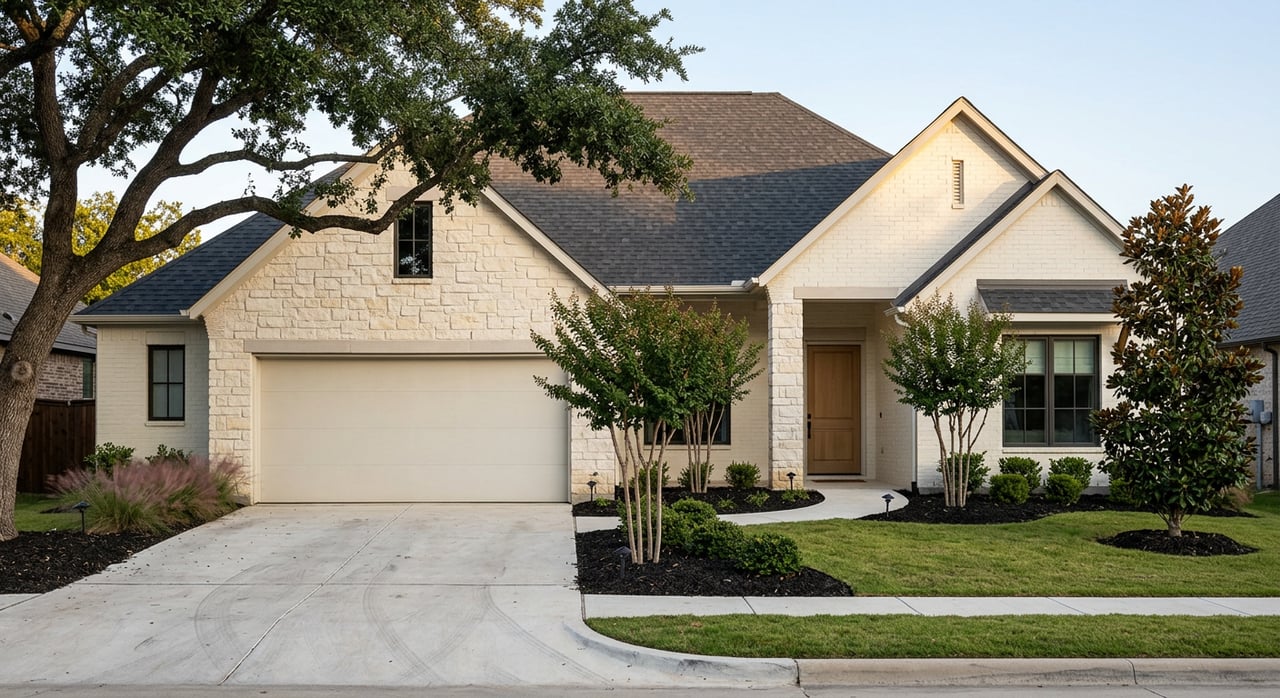
- Invest in targeted updates. Focus on curb appeal, paint, lighting, and critical systems that buyers expect in your price tier.
- Time your launch to momentum. If MOI is falling and pendings are rising, market for maximum exposure and potential multiple offers. If supply is building, plan for longer marketing and possible concessions.
- Highlight lifestyle facts. Showcase nearby amenities and provide neutral, factual school information. Many buyers prioritize location convenience and daily-life benefits.
- Prepare documents early. Gather HOA documents, recent utility bills, inspection reports, and any flood history or mitigation records to speed due diligence.
Documents to gather before you act
- Six to twelve months of neighborhood comps and a pricing analysis
- HOA covenants, budgets, and any recent assessment notices
- Recent utility bills and any inspection or repair receipts
- Flood history, elevation certificates, and any mitigation records
- Closing and occupancy timeline options to offer flexibility
Ready to make your move?
If you want a neighborhood-level plan tailored to your goals, we are here to help. Get a data-driven pricing and timing strategy, plus a clear comparison of resale versus new construction. Request Your Free Home Valuation with The Antinozzi Group for a confident next step.
FAQs
What does Months of Inventory mean in The Woodlands?
- It estimates how long current listings would take to sell at the recent sales pace. Lower MOI signals tighter supply and more competition, higher MOI points to more buyer leverage.
How do micro-neighborhoods affect pricing and days on market?
- Proximity to amenities, neighborhood character, and housing age or features can shift demand, which influences pricing power and how quickly well-priced homes sell.
Is the luxury segment moving slower right now?
- Luxury homes often see longer marketing periods due to a smaller buyer pool. Distinctive properties that match active buyers can still sell quickly with the right pricing and presentation.
How should I compete if I need to buy and sell at the same time?
- Secure a strong preapproval, map your target bands and comps, plan for appraisal gaps, and use flexible terms or timelines to strengthen your offer.
Do builder incentives change my resale strategy?
- Yes. Strong incentives can pull buyers toward new construction in the same price range. Adjust your pricing, upgrades, and concessions to stay competitive.